
Before the Guest Leaves in Silence
A feedback email sent after departure can capture a rating. Asking while the guest is still at the hotel opens a personal conversation—and gives management equally valuable evidence about recurring quality problems.
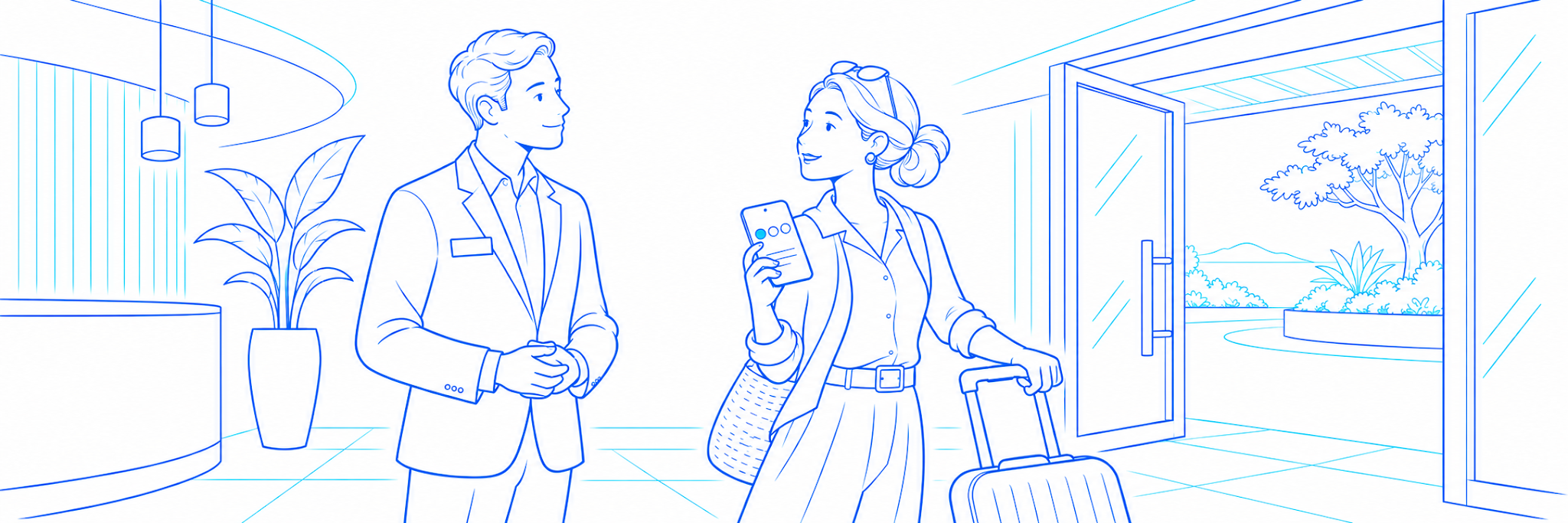
Guest feedback is most useful before the guest leaves
A guest mentions a disappointing dinner several days after leaving the hotel. The team can still apologise, but it has lost the chance to meet the guest, understand the concern in person and agree what to do while they are together.
In Before the Guest Leaves in Silence, Konstantin Schlüter argues for collecting feedback while guests are still on the property wherever possible. The value reaches beyond service recovery: the same reply can improve the hotel’s understanding of the guest and reveal recurring quality problems that management needs to address.
Ask in the context of the stay
Experience feedback and stay feedback serve different purposes. Ask about a dinner, treatment or activity soon after it finishes. Ask about the visit as a whole close to departure, while the guest is still on site. A mid-stay question can help during a longer visit; on a short stay it may simply add another interruption. Even at checkout, a personal conversation offers far more than a later email exchange.
The invitation needs to fit the guest’s day. Fresh memories and the physical setting make the question relevant. A quick rating, an optional comment and details supplied automatically by the hotel’s systems make replying easy. Long questionnaires and repeated requests work against that opportunity.
Check whether the response helped
The dinner or treatment has already happened. Recovery concerns the hotel’s response and what it can do for the rest of the stay. Moving a guest to a quieter room records an action; asking the next morning whether they slept well establishes whether it helped. That distinction matters when managers review how reliably their teams follow through.
Excellent recovery can leave a guest more satisfied than if the failure had never occurred—the service recovery paradox. The paper examines the research behind this possibility and the practical judgement needed to choose a remedy the guest values.
Use software to connect the work
Software can time invitations, pre-fill known details and connect a reply to the exact service, booking, time, location and delivering team. Named ownership, deadlines and automatic escalation keep concerns visible across shifts. Staff can approach the guest with the relevant context and record what was agreed.
The knowledge also needs interpretation. A complaint about one noisy restaurant evening is different from a confirmed preference for quiet dining. Keeping that distinction in the guest record helps colleagues make thoughtful suggestions at the next encounter.
Give structural quality equal attention
A successful personal response does not resolve a recurring service problem. Several comments about breakfast delays may point to a seating arrangement, staffing pattern or handover that needs investigation. Guest feedback, staff observations and operational checks help management identify the cause and see whether a change works. Praise can also reveal a practice worth extending.
The paper closes with a 90-day implementation plan and the evidence leadership should expect: participation at well-chosen moments, guests confirming that responses helped, useful knowledge applied in service, and corrective actions checked in practice. Expansion depends on the hotel’s ability to sustain that performance when it is busy.
More Insights
We show you how to find the perfect
communication channels for your hotel
without adding any extra work at all!
We speak English, French and German!
Call us at +49 30 – 12 07 60 86
Rather prefer email?
Write us at sales@hotel-mssngr.com